
Servants
of Mary
Heirs to an eight-century vigil begun by the Seven Holy Founders, the Secular Order of the Servants of Mary invites lay Catholics to live the ancient Servite charism of prayer, fraternity, and compassionate service in the heart of daily life.
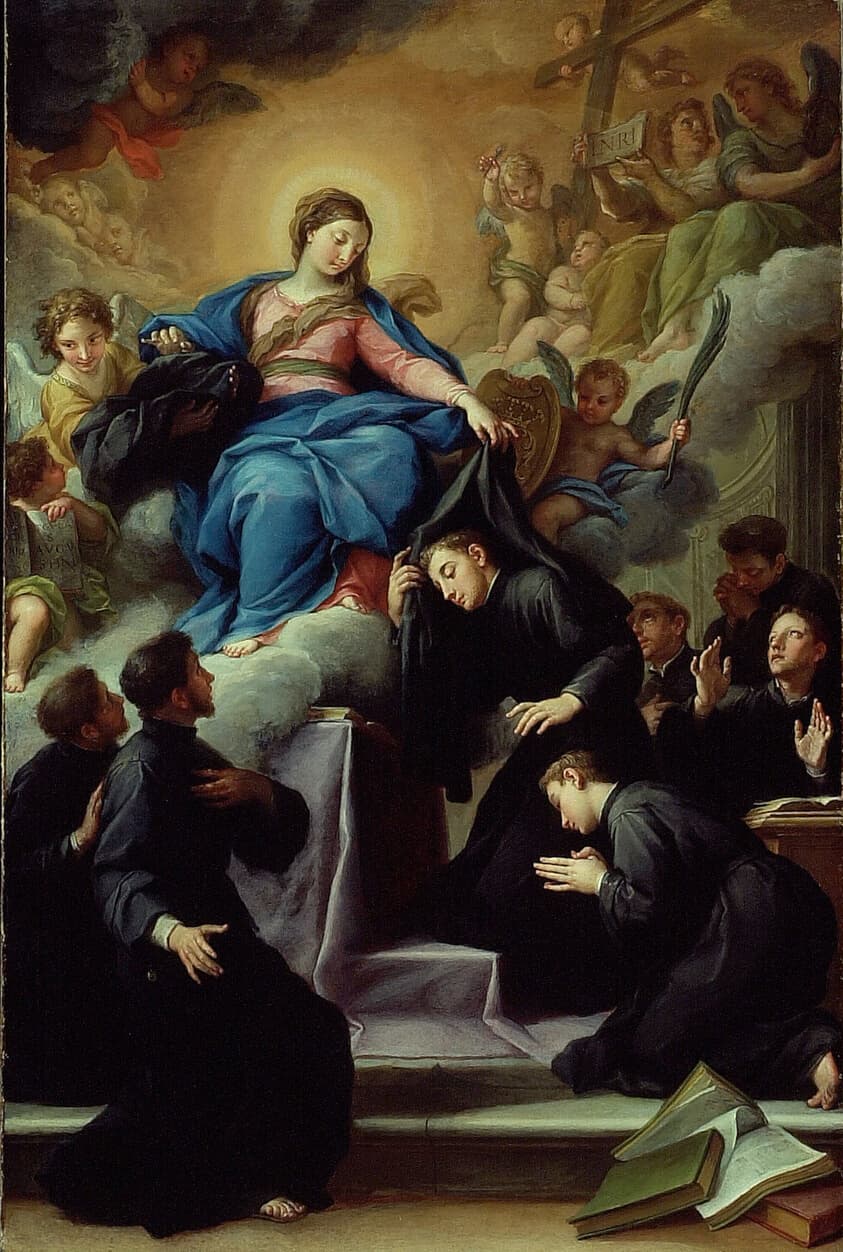
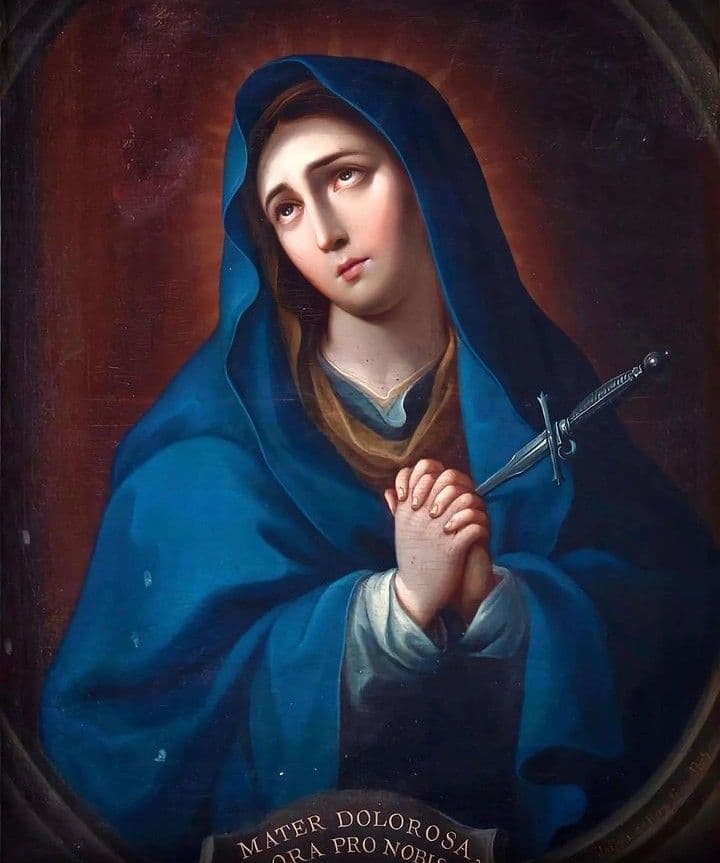
“And thy own soul a sword shall pierce, that, out of many hearts, thoughts may be revealed.”
Luke 2:35
Our Roots
1233
Origins & Early Lay Communities
Seven wealthy Florentine merchants withdrew from public life to live in prayer and penance, placing themselves under the protection of the Virgin Mary. Officially approved in 1256 as the Order of Friars Servants of Mary, their community drew lay men, women, and married couples from its earliest years.
These early lay participants (oblates, confraternity members, and associates) lived ordinary city and family life while remaining spiritually bound to the friars. Varied by priory and held together by devotion to Our Lady of Sorrows, they are the direct ancestors of today's OSSM.
1424
Formal Recognition
Through the Bull Sedis apostolicae providentia, Pope Martin V officially recognized lay Servites as a structured Third Order, giving them a genuine ecclesial identity alongside the Third Orders of the Franciscans, Dominicans, Carmelites, and Augustinians.
For the first time, lay people affiliated with the Servites held a defined place within the Church's life, with early forms of governance and a common name that spread across Europe in the centuries that followed.
1962 – 1995
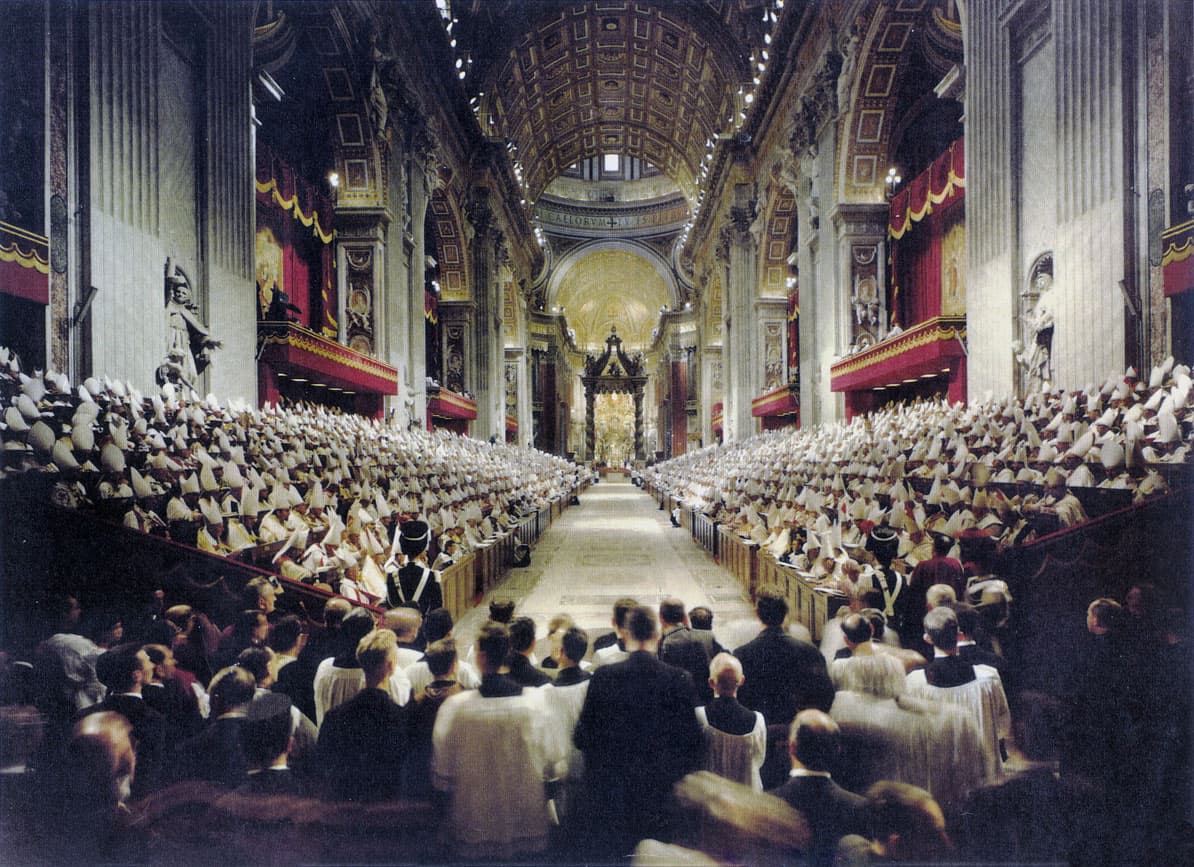
Vatican II & The Rule Renewed
The Second Vatican Council called for a renewal of lay vocations across all religious families. In response, the Servite Third Order was re-examined to better reflect modern lay life and a clearer identity within the broader Servite family.
A new Rule of Life was approved by the Apostolic See in 1987 and, after further revision, definitively confirmed by the Holy See on 29 April 1995. The order was formally renamed the Secular Order of the Servants of Mary, the OSSM, a worldwide movement of lay men and women living in ordinary society, fully part of the Servite spiritual family.
Our Charism
Standing with Mary at the Foot of the Cross
Marian Inspiration
Mary, model of the servant
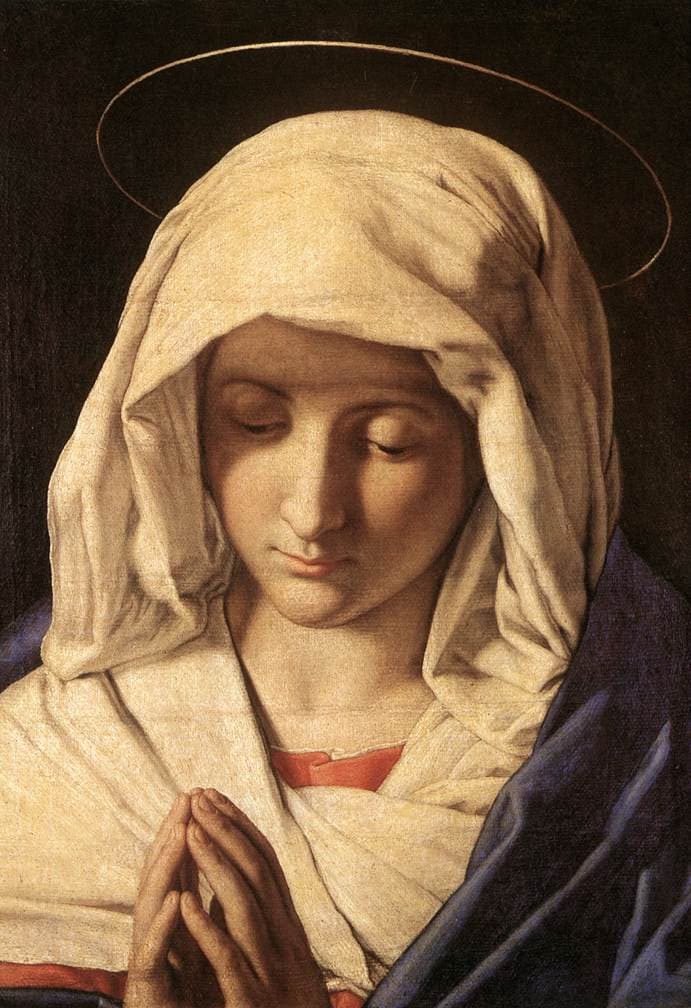
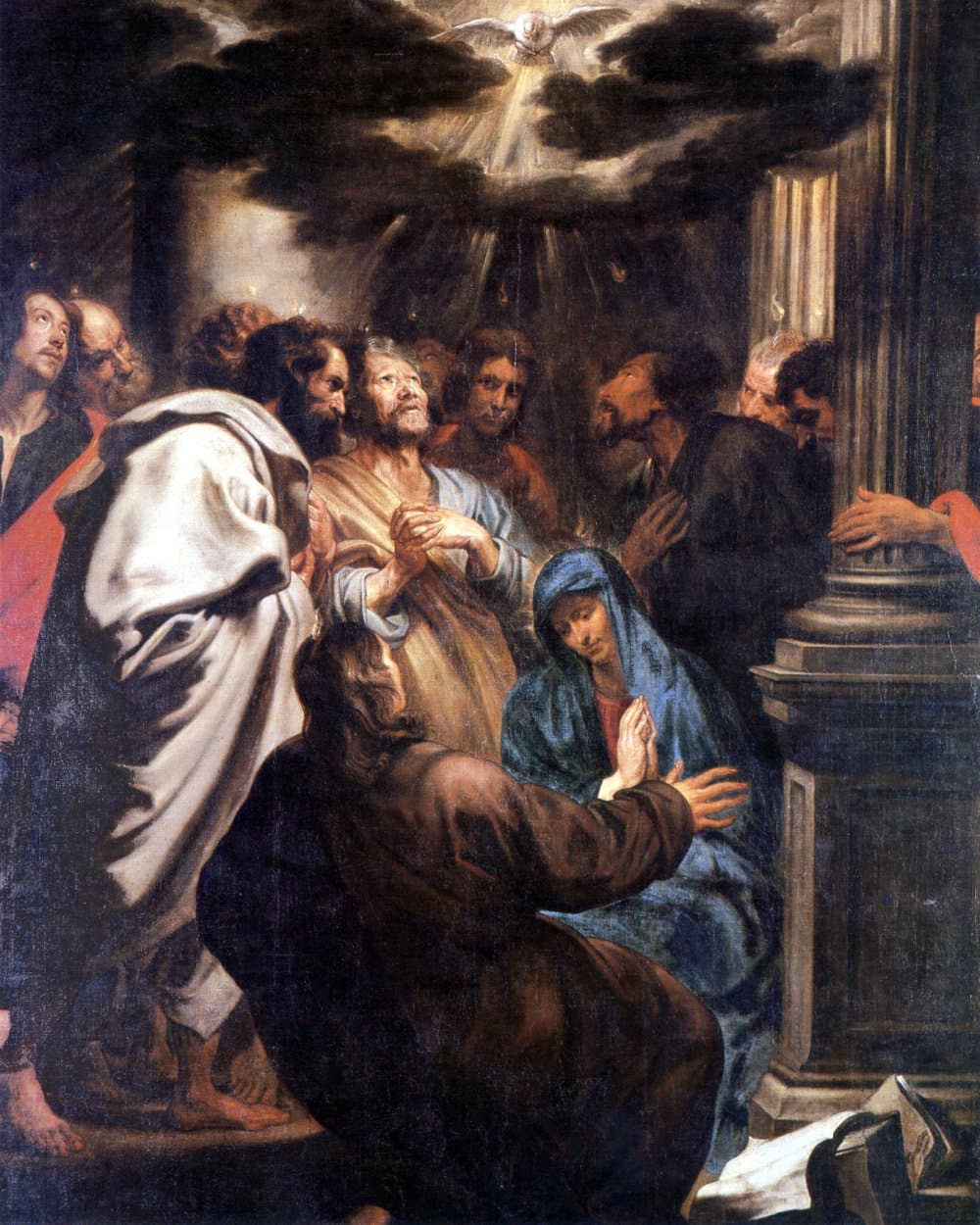
The constant wellspring of Secular Servite life is Mary, venerated as Virgin at the Annunciation, Mother at the Nativity, intercessor at Cana, sharer of our suffering at the Cross, and Bride of the Spirit at Pentecost. Above all she is honoured as the Virgin of Sorrows: her compassionate presence in Christ's Passion makes her the perfect model of discipleship, simplicity, and total surrender to God. She is not a distant icon but a living presence, the measure against which every Servant of Mary asks how deeply they have given themselves to God.
Fraternal Life
One mind, one heart
Imitating the first community of the apostles, Secular Servites are called to live with one mind and one heart. The Seven Holy Founders were bound together in the Lord's name, and that bond is the Order's defining mark. This call to unity is not merely social but mystical: a participation in the communion of love that is the Church itself. In a world broken by hatred and division, Servants of Mary are sent to be visible signs that another way of belonging is possible.
Compassionate Service
Compassion and comfort for those in need
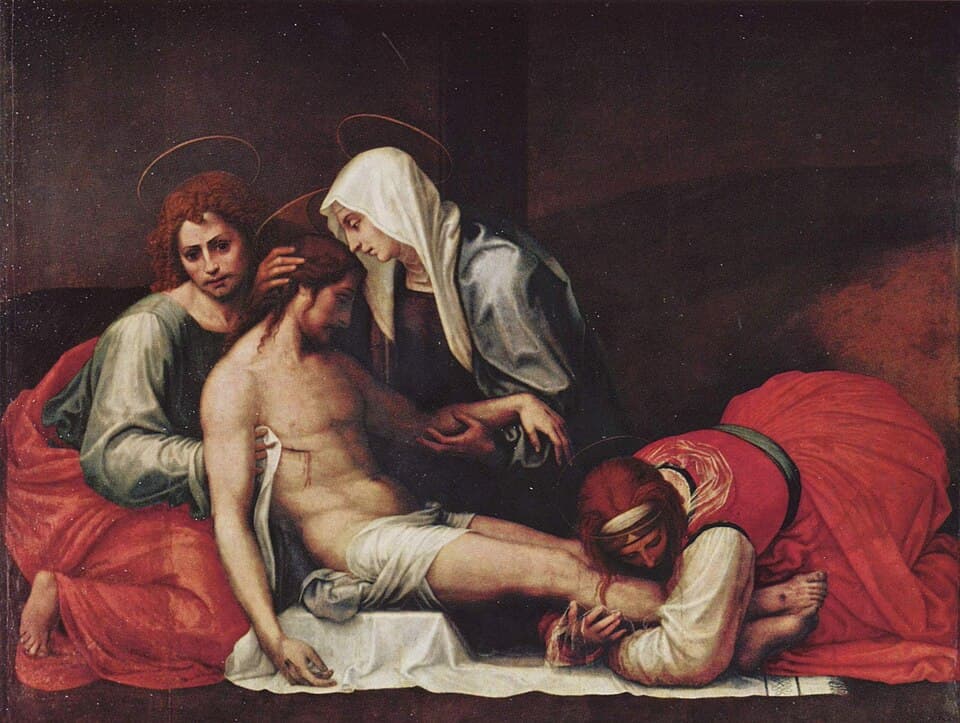
Mary's vigil at the Cross was not passive. It was an act of total, costly love. Secular Servites inherit that posture: where others move on, they stay; where suffering is hidden, they look. Not grand gestures, but comfort brought to a particular person in a particular need.
Life in the Order
Daily Prayer
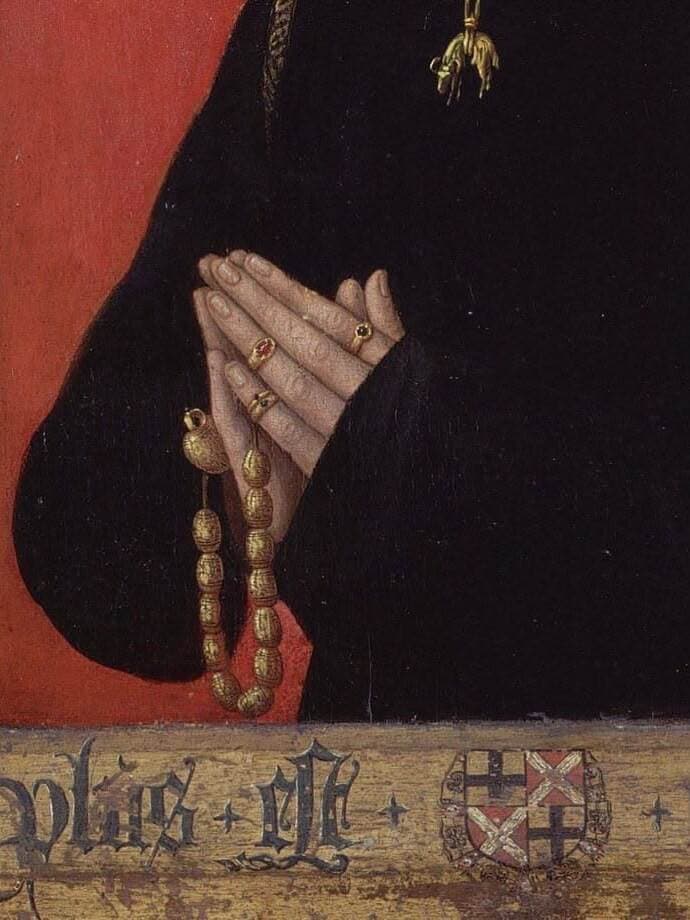
A morning offering, and where possible Morning Prayer from the Liturgy of the Hours. At some point in the day, the Rosary of the Seven Sorrows; at its close, a brief evening examen.
Monthly Fraternity
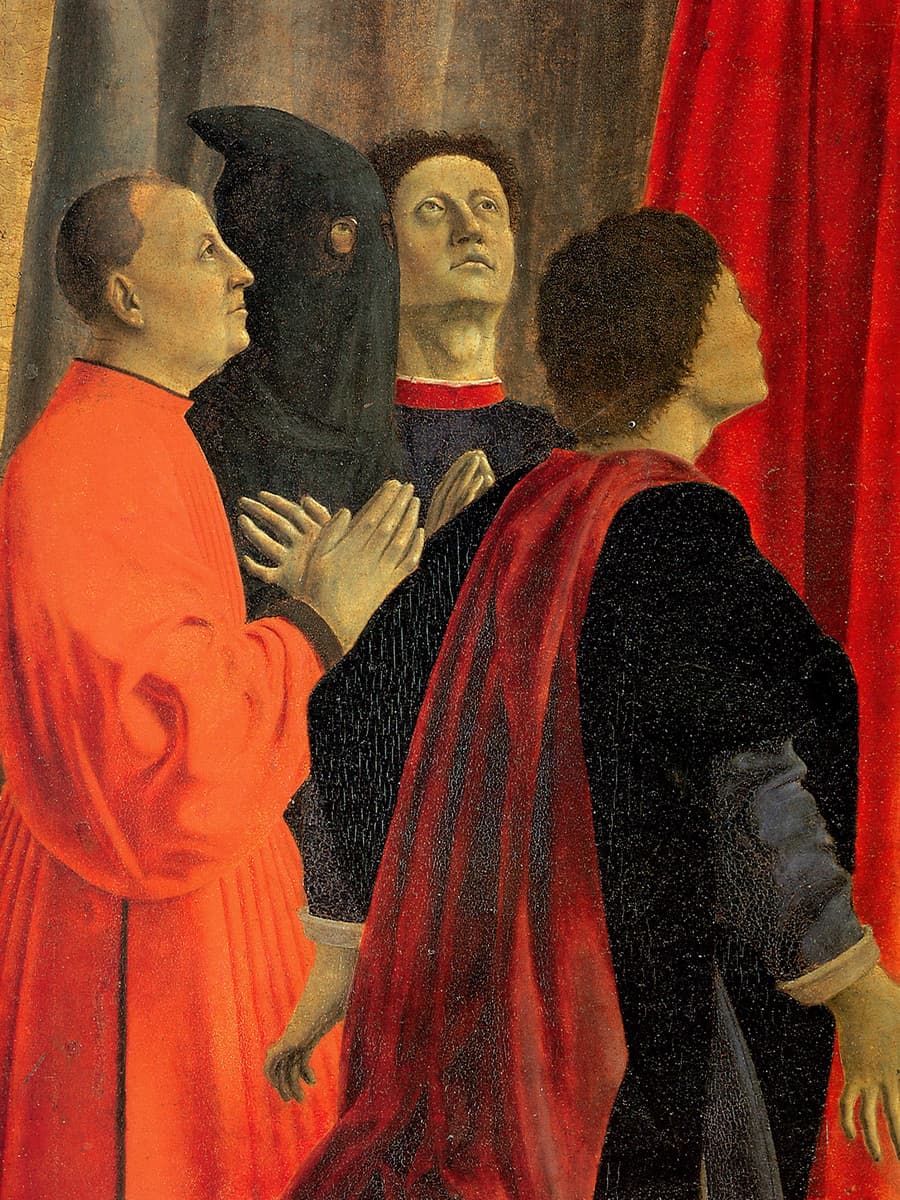
Once a month the local fraternity gathers for about two hours: opening prayer, a session of formation, open sharing, and a closing Hail Mary. Fraternities stay small by design.
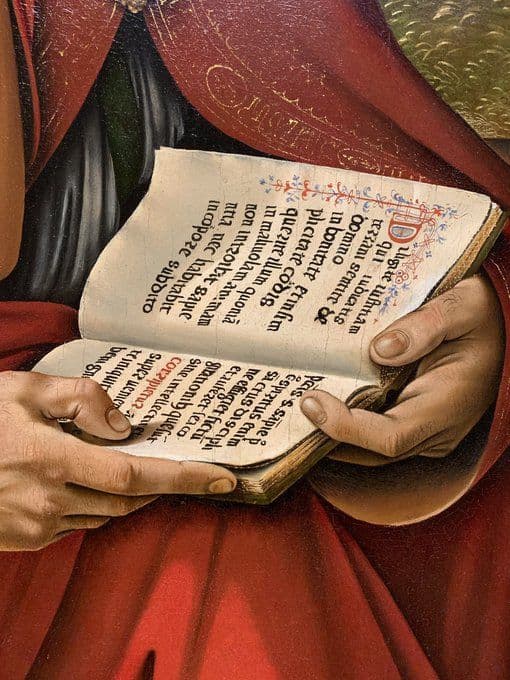
The Rule of Life
The OSSM Rule of Life, confirmed by the Holy See in 1995, sets out what every member commits to. A promise is made after a period of formation, then freely renewed each year.
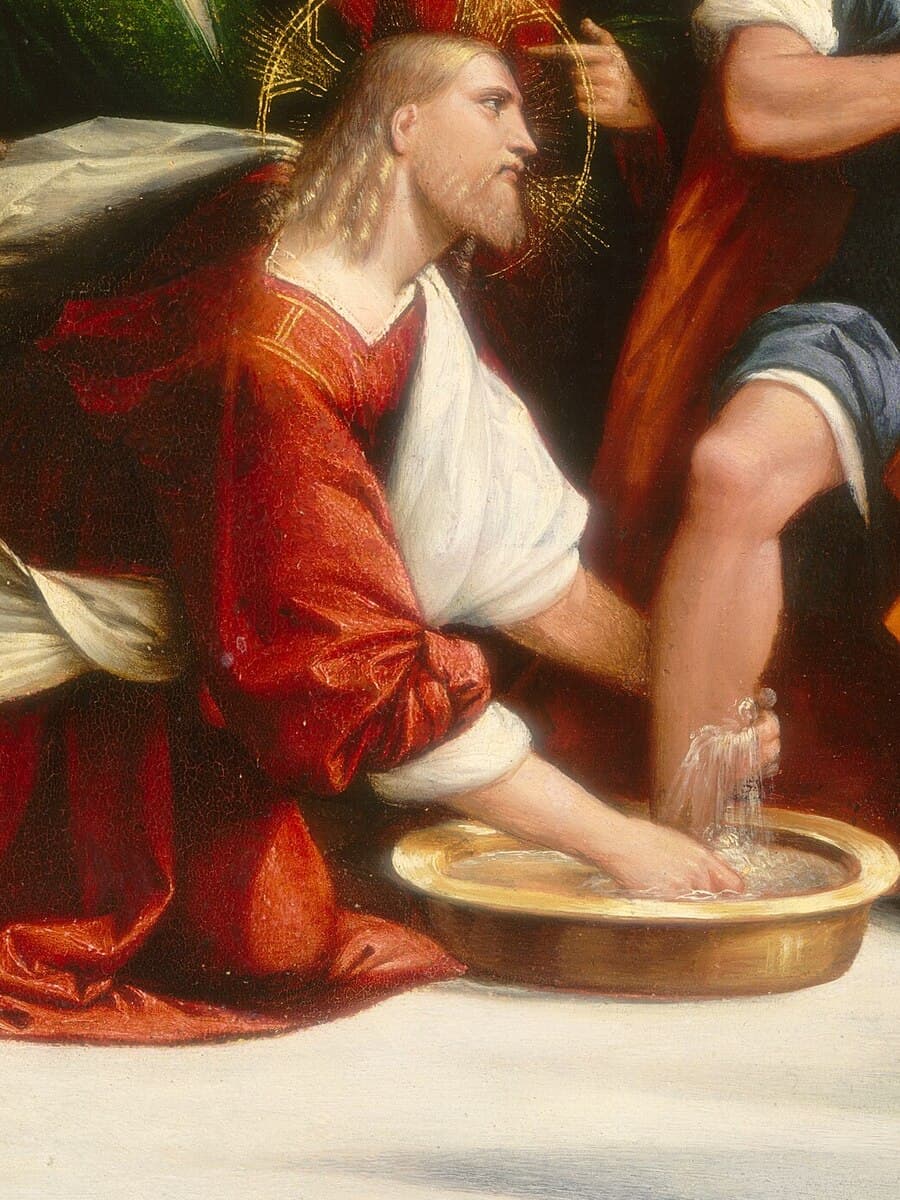
A Work of Service
Each member takes up one concrete act of mercy in their own community: the sick, the grieving, the stranger. What matters is less the work chosen than the staying with it.
Want to know what this looks like day to day? Get in touch.
Contact UsPatron Saints
The canonised sons and daughters of the Servite family, each a living icon of the Order's charism of prayer, fraternity, and compassionate service.
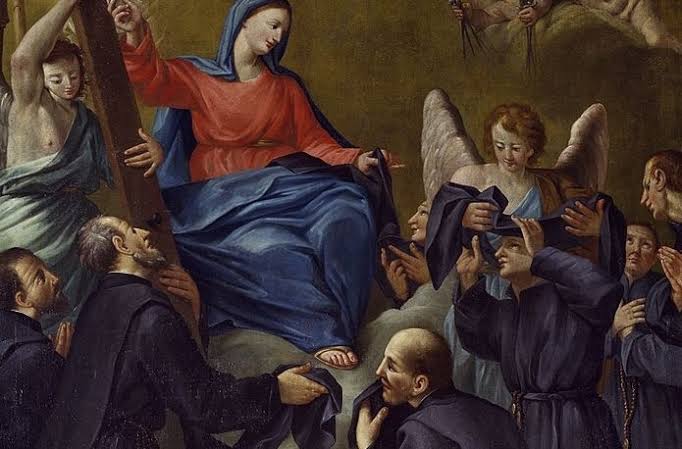
The Seven Holy Founders
Founders of the Servite Order
Seven wealthy Florentine laymen who withdrew from the world together to serve Our Lady, founding the Order in 1233. Canonised as one, the only collective canonisation in the Church.
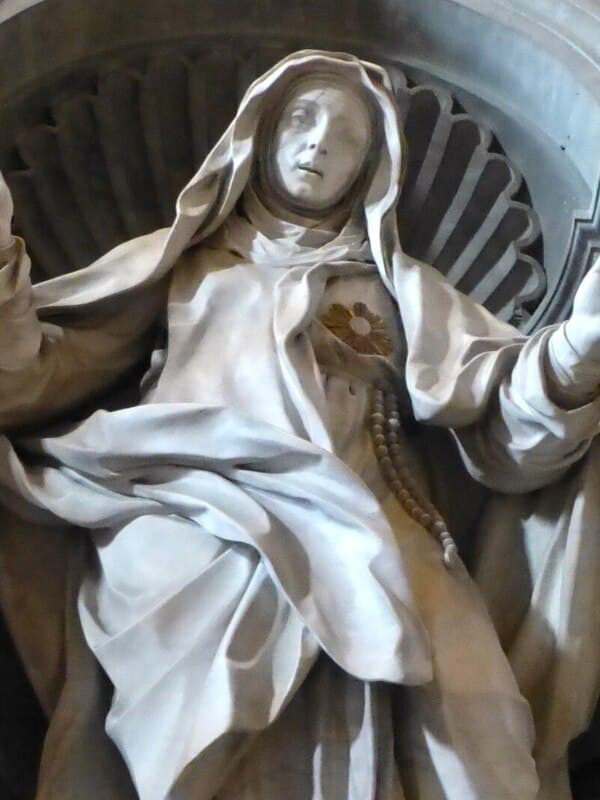
St. Juliana Falconieri
Foundress of the Servite Third Order
Niece of one of the Seven Holy Founders, Juliana received the habit from St. Philip Benizi and gathered the women of Florence into the Third Order, the root from which the Secular Order grew. Feast 19 June.
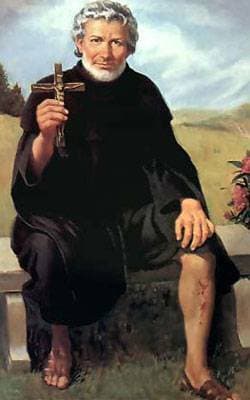
St. Peregrine Laziosi
Patron of the Sick & Suffering
Miraculously healed of cancer on the eve of amputation, Peregrine is the Order's great intercessor for the ill, bearing in his own body the compassion Mary showed at the Cross.
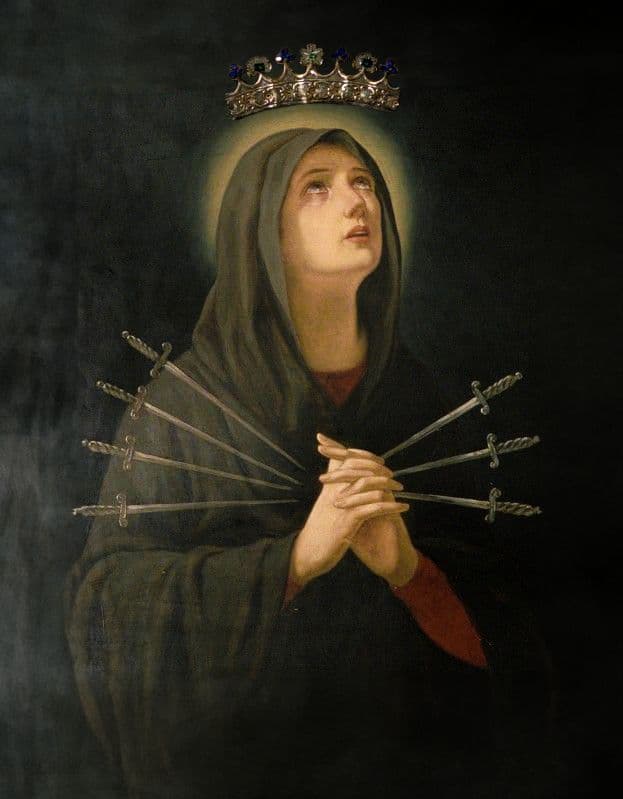
“Where sorrow is deepest, there Mary stands. There, too, the Servant of Mary is called to remain.”
Servite Tradition
Events
Gather with us in prayer, retreat, and celebration, in person and online, throughout the year.
Nothing is scheduled at the moment. Write to us and we will let you know what is coming, and look out for you when you come.
Feast Days
The next days the Order keeps: the Virgin of Sorrows and the saints of the Servite family.
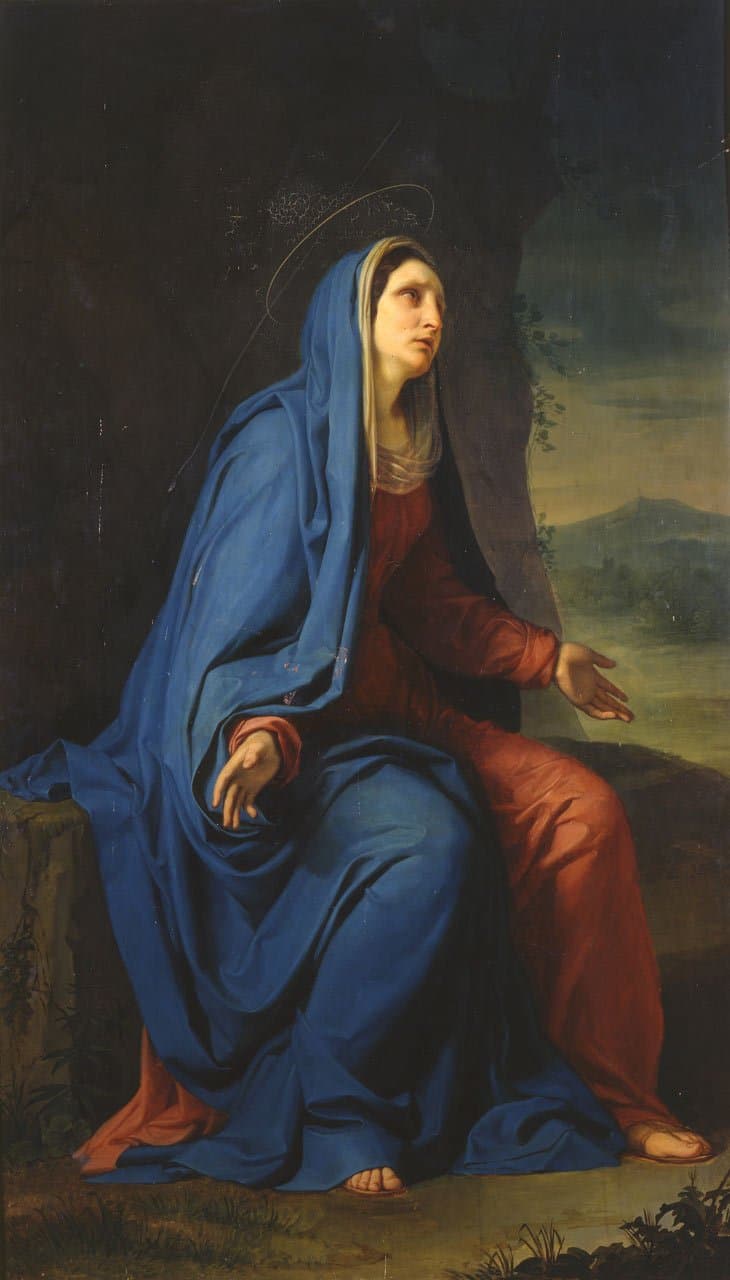
15
September 2026
Our Lady of Sorrows
The principal feast of the Order, and the reason for its name.
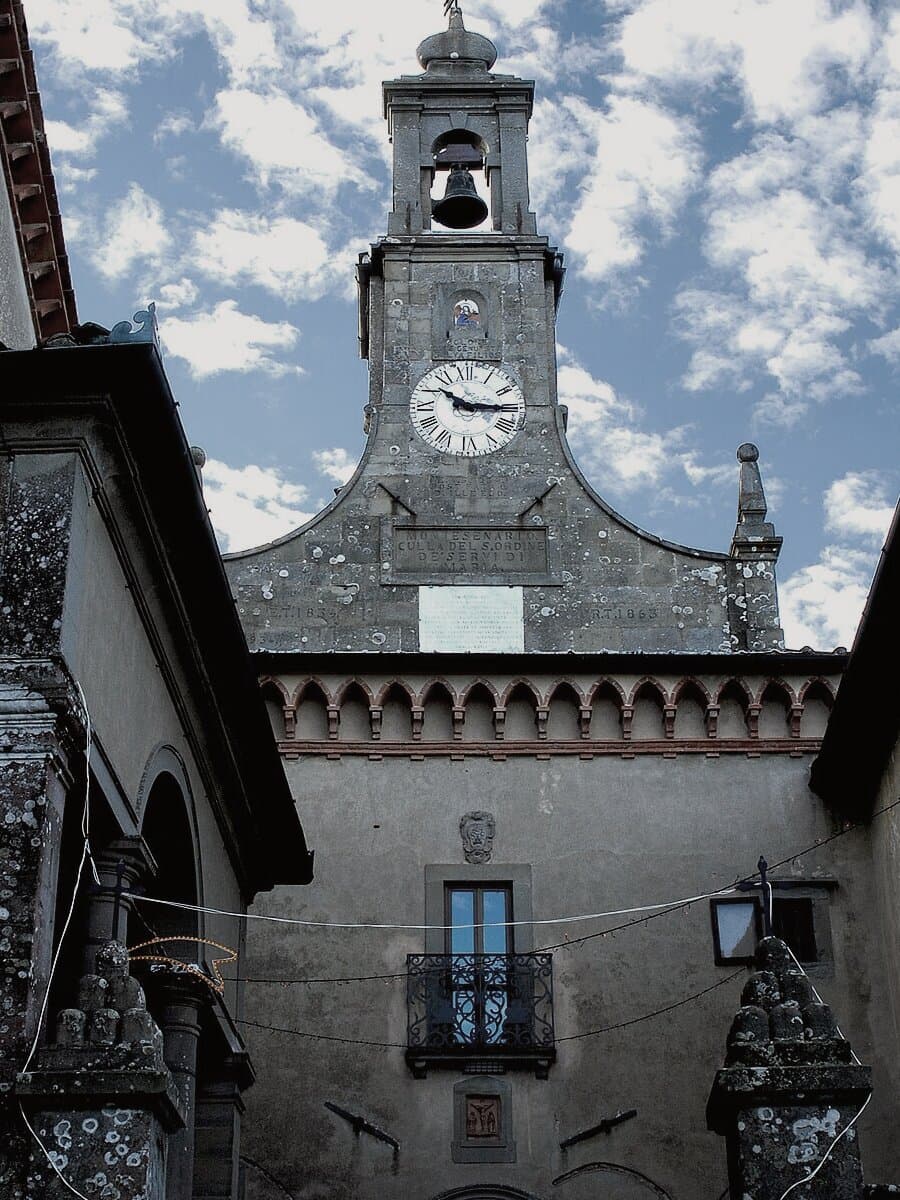
22
September 2026
Dedication of the Basilica of Monte Senario
The mountain above Florence where the Seven Founders settled, and where the Order began.
16
November 2026
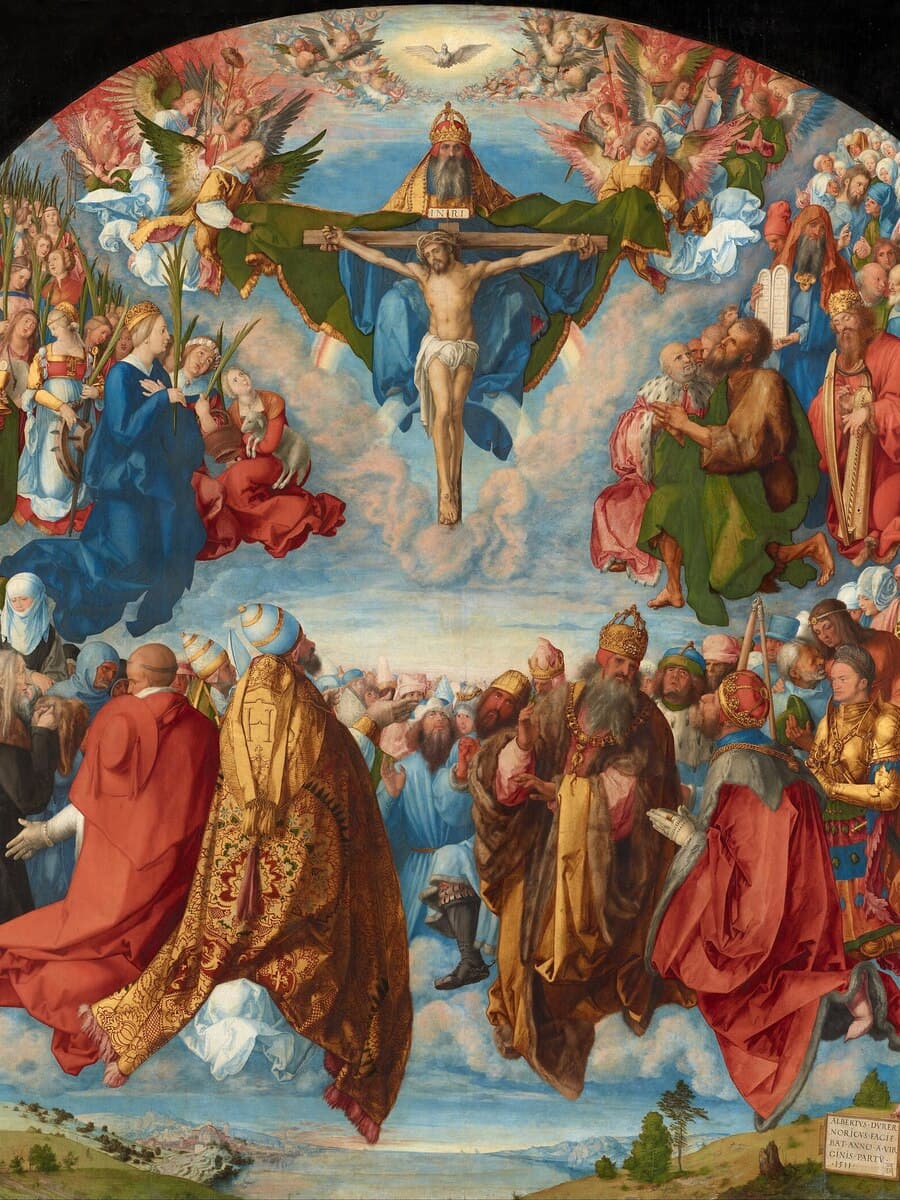
All Saints of the Order
The whole Servite family, canonised and uncanonised, kept in one day.